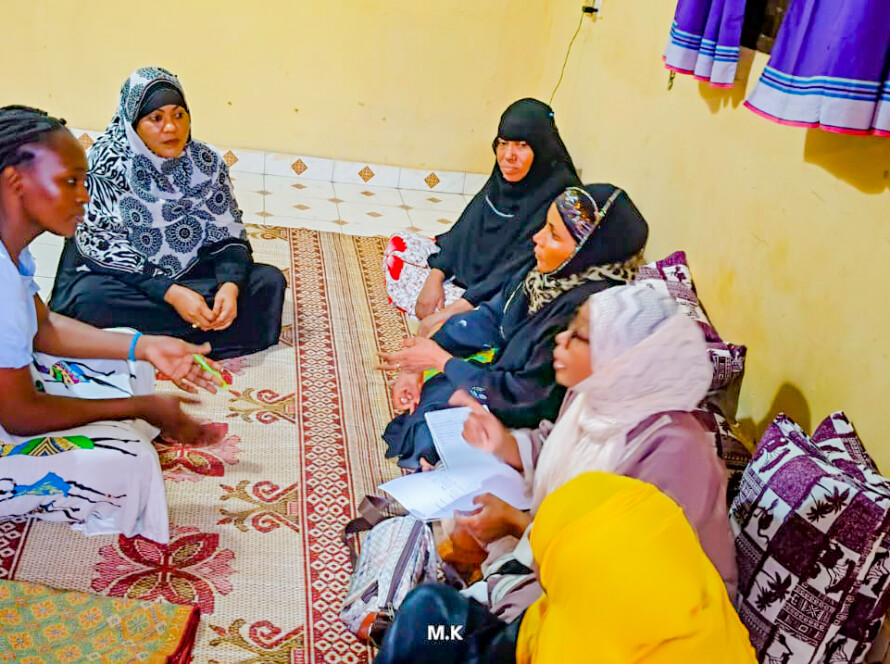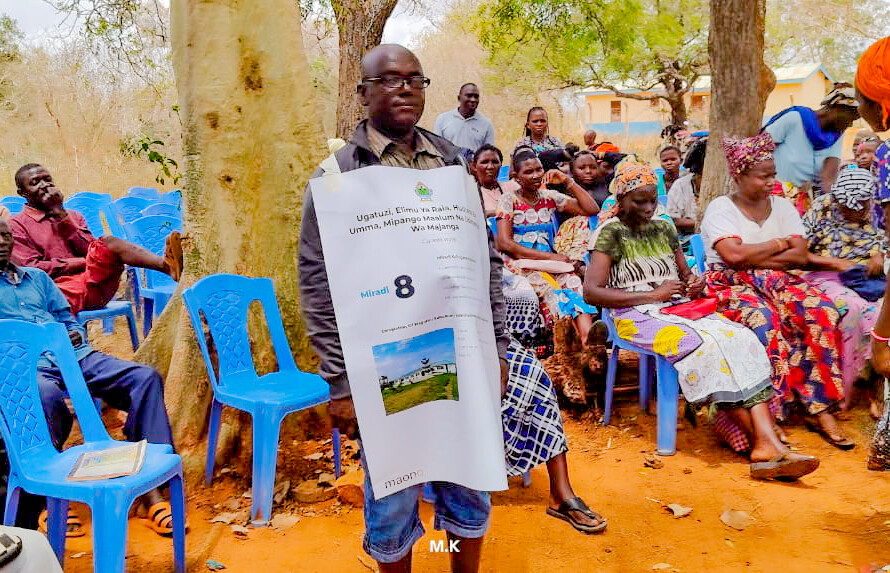


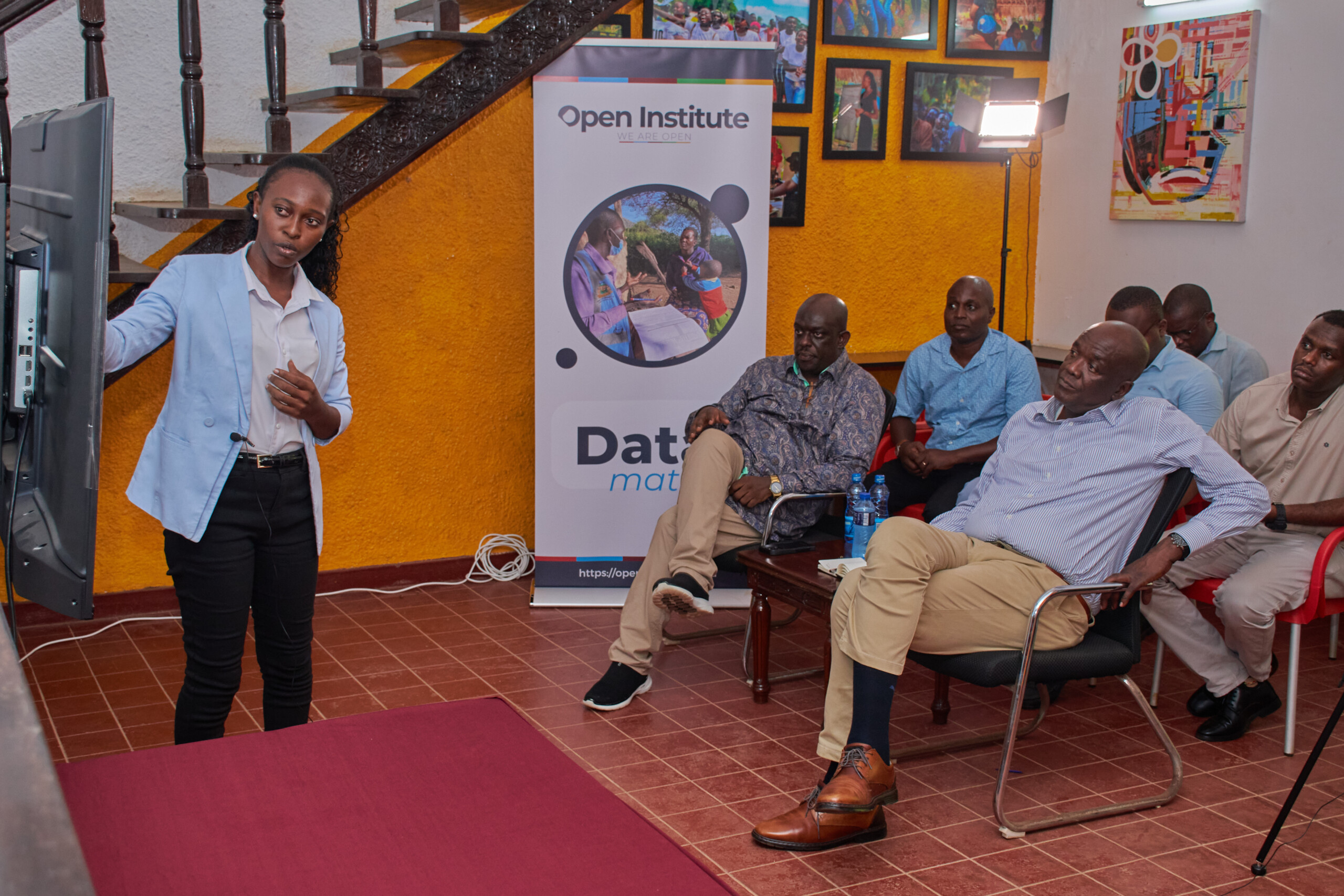
In many communities here in Kilifi, the distance between the people and the leaders who serve them can feel vast. Decisions are made, projects are implemented, and policies are set — yet the very people these decisions affect often have no platform to speak, ask questions, or share their experiences. This gap can leave communities feeling unheard, frustrated, and disconnected from the governance meant to serve them.
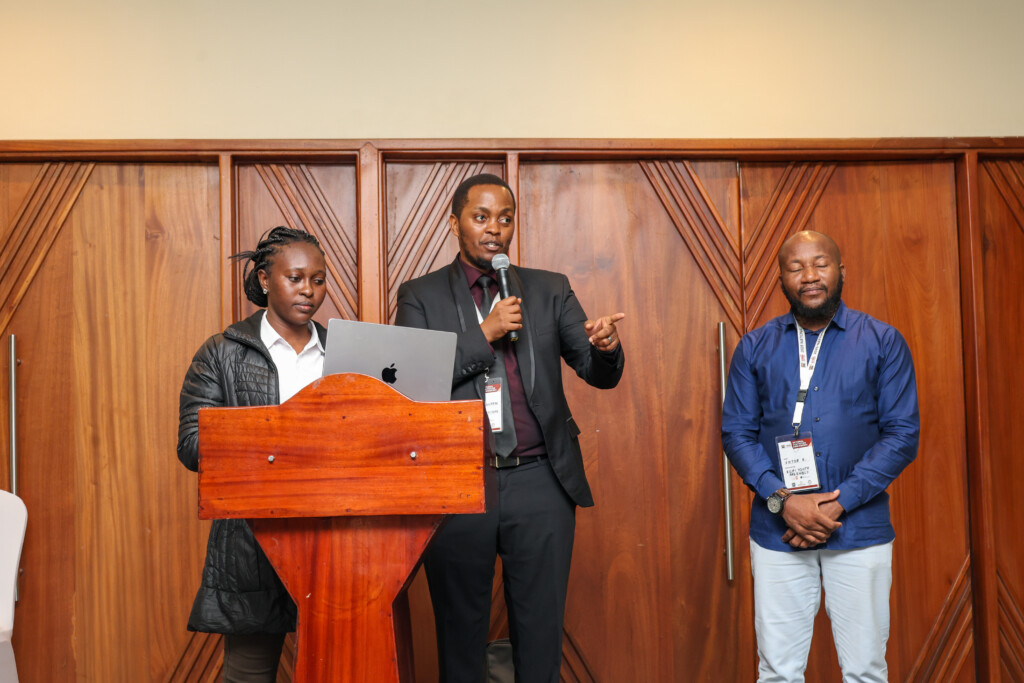
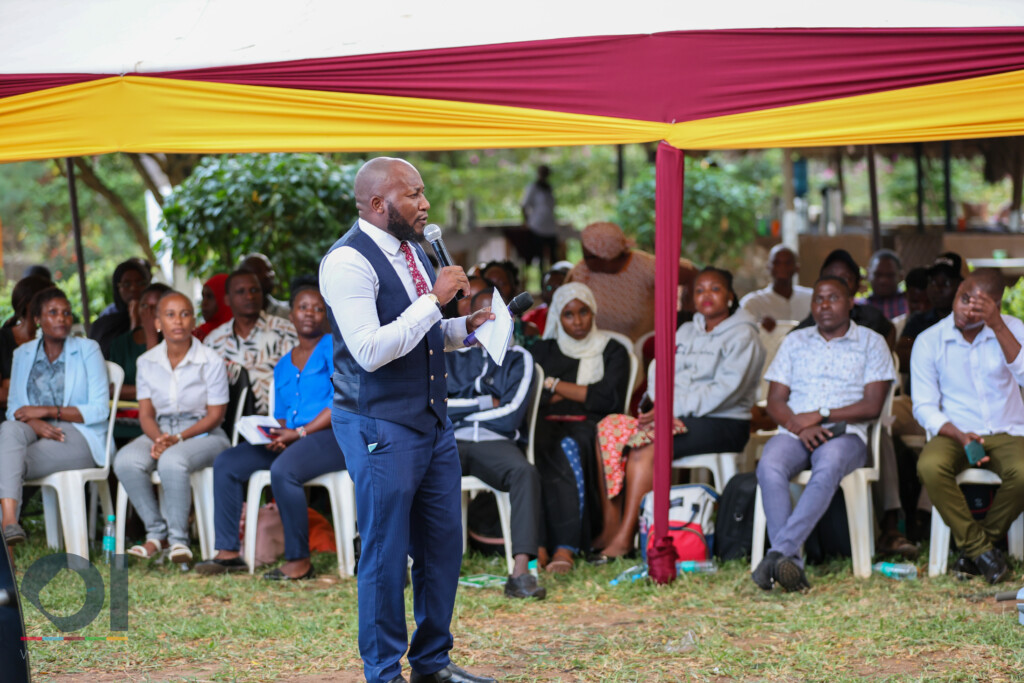
At Action for Empowerment, we believe that change begins when citizens and leaders come together in honest, open conversation. The Citizens’ Dialogue creates that space. Through barazas and community forums, ordinary citizens meet with political, county, and parastatal leaders face to face. They ask questions, raise concerns, and demand accountability. Leaders listen. They provide explanations and clarity about ongoing projects, budgets, and policies.
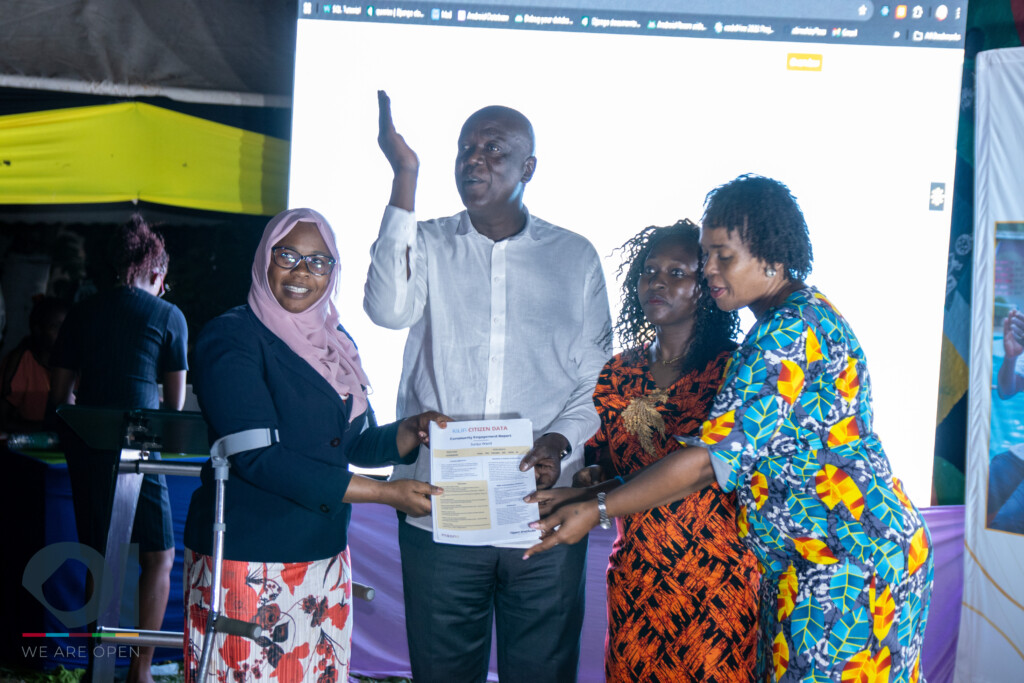
But Citizens’ Dialogue is about more than accountability—it is about connection, trust, and empowerment. In these meetings, women can speak about the challenges of raising a family in communities where services are lacking. Youth can voice their frustrations and hopes for education, employment, and opportunity. Elders can reflect on the community’s history and share insights for a better future. Each voice matters, and each story has the power to guide better decisions.
For citizens like Asha Mwikali, a mother of three in Kilifi, the dialogues have been life-changing:
“I used to feel my voice didn’t matter. Now, I can ask questions directly to the leaders, and I see them listening and taking action. It gives me hope that change is possible.”
Aisha Mwikali
“I used to feel my voice didn’t matter. Now, I can ask questions directly to the leaders, and I see them listening and taking action. It gives me hope that change is possible.”
The impact is tangible. Communities report higher satisfaction with local governance, leaders gain insight into pressing issues, and decision-making becomes informed by the lived experiences of the people themselves. Citizens’ Dialogue strengthens devolution, promotes participatory governance, and ensures that every voice — especially those of women, youth, and marginalized groups — is heard and valued.
Yet, this critical work relies on support from donors and partners. Hosting barazas, facilitating travel for leaders and citizens, producing reports, and following up on action points requires resources. By supporting Citizens’ Dialogue, you are not just funding meetings — you are investing in empowered communities, accountable leadership, and a future where citizens shape the decisions that affect their lives.
Every dialogue is a story, a step, a spark of change. With your support, more voices can be heard, more communities can hold leaders accountable, and more lives can be transformed. Because when communities and leaders meet with honesty and respect, real change is possible—and it starts with listening.