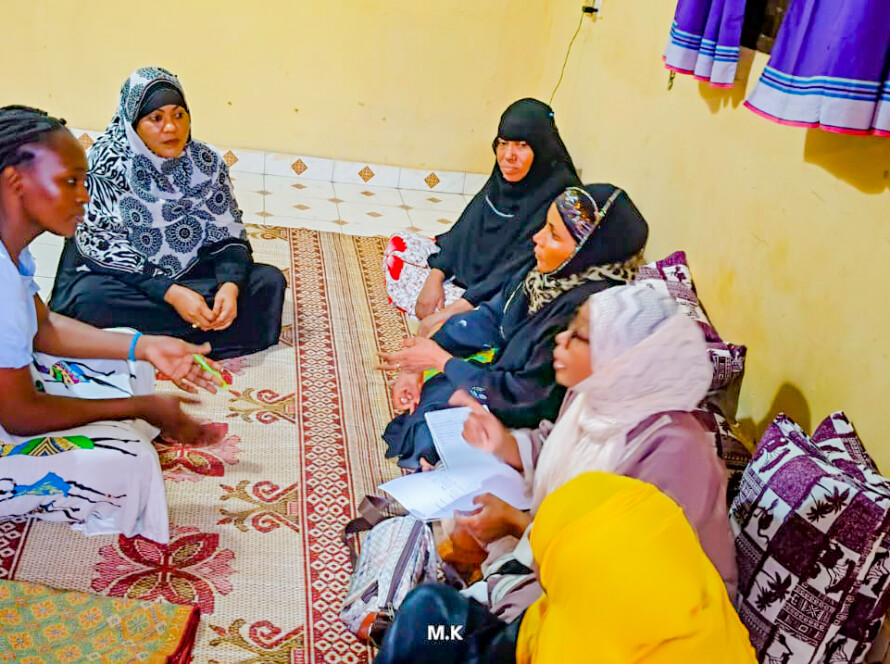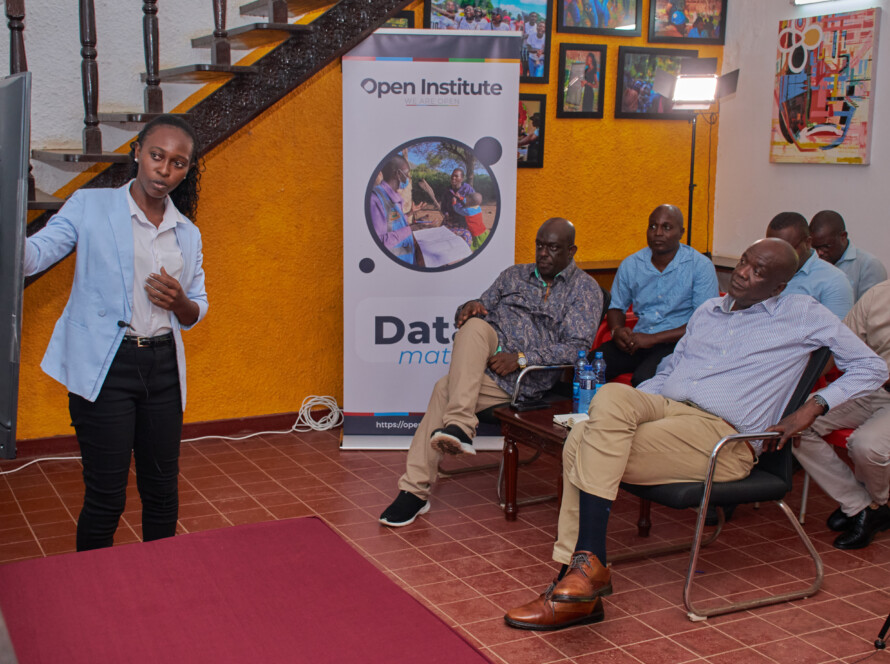


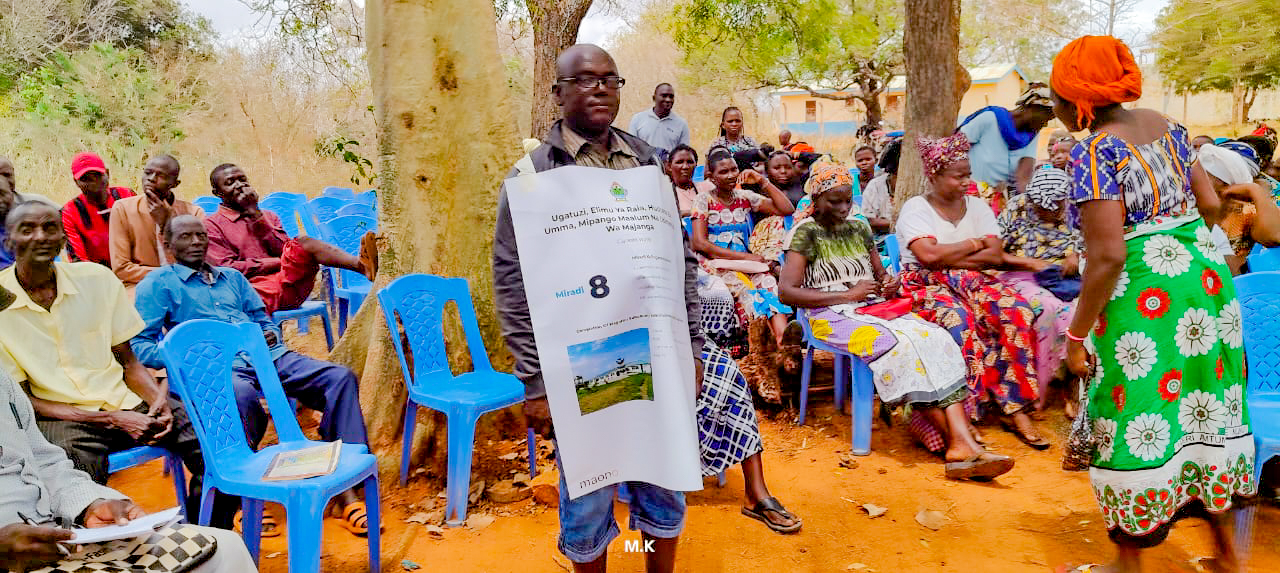
Kilifi County — a vibrant coastal region home to over 1.4 million people — the struggle for basic human rights is not just a statistic, it is lived daily by thousands of women, girls, and vulnerable citizens. Despite the beauty of its shores and the strength of its communities, Kilifi faces a deep‑rooted crisis: too many families, especially women and youth, are caught in the grip of violence, silence, and injustice.
Recent data paints a stark reality. Nearly 45 % of women aged 15–49 in Kilifi County have experienced physical or sexual violence, a rate that mirrors a national epidemic of gender‑based violence. Between January and September 2025 alone, frontline responders recorded hundreds of cases of defilement, rape, early pregnancy, and assault against girls and young women, revealing how deeply vulnerability intersects with poverty and lack of protection systems.
For many in Kilifi, the path to justice is blocked by barriers that extend far beyond the incident itself — cultural norms that minimize abuse, limited access to legal support, and fear of retaliation silence survivors before their stories are ever heard. Even when cases are documented, survivors often struggle to navigate complex legal systems or find safe, dignified support.
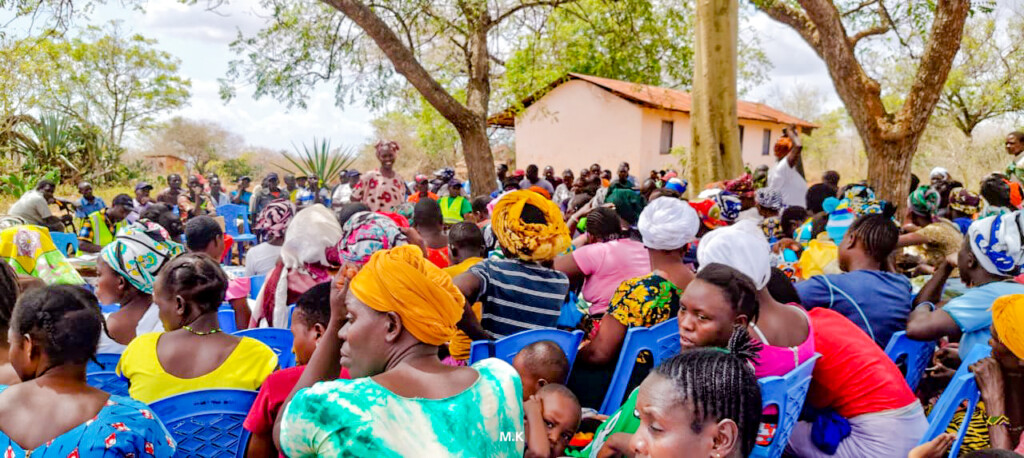
It is in this context that Haki Track becomes more than a program — it becomes a beacon of hope. At its core, Haki Track is about building a community that knows its rights and refuses to surrender them. Through dedicated outreach, we educate citizens about their basic human rights and the legal processes that protect them. Knowledge alone, however, is not enough. When violence strikes, survivors need more than understanding — they need protection, legal advocacy, and timely intervention.
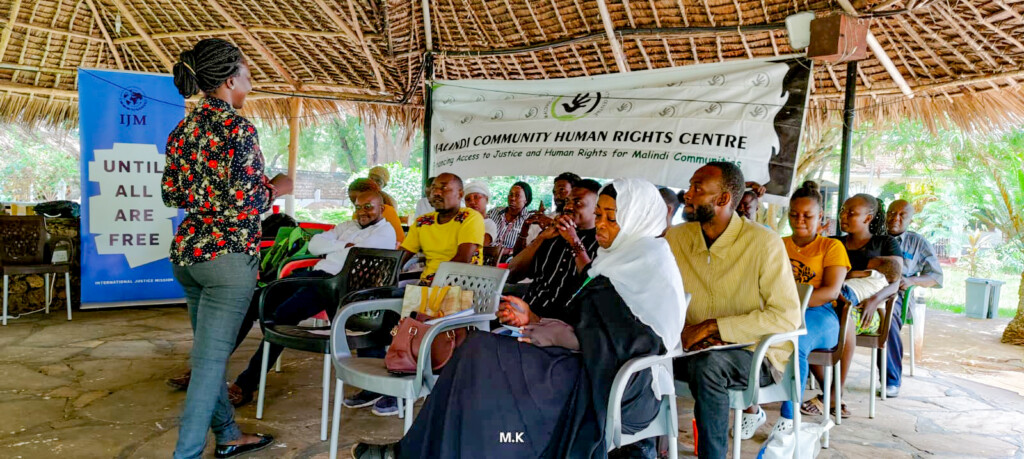
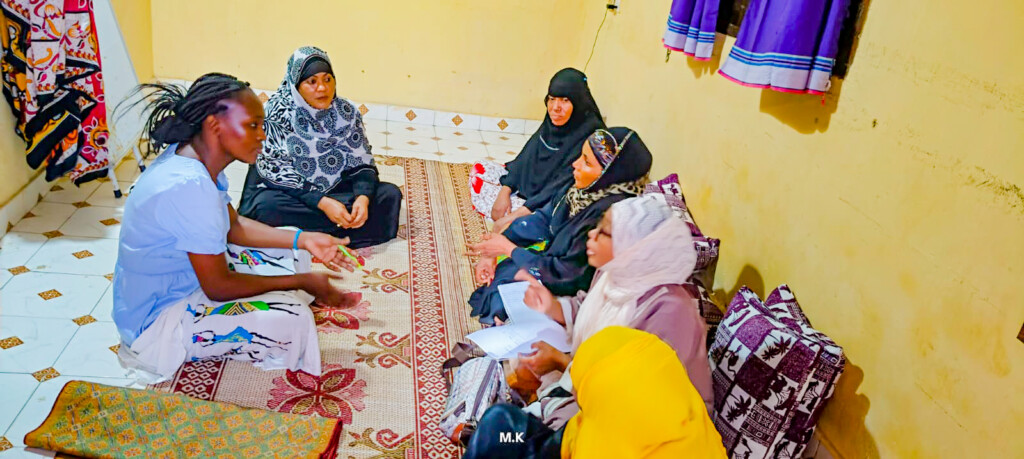
Haki Track provides legal advice and hands‑on support to survivors of GBV, SGBV, and assault, ensuring that they are guided through the justice process and never left to face fear alone. Our rapid response initiatives react swiftly when rights are at risk, stepping in during emergencies to protect dignity and safeguard lives.
Every training session, every legal referral, and every rapid response builds a stronger, more informed Kilifi — a county where a young girl knows she has the right to safety, where a woman knows she can seek justice, and where communities work together to protect the vulnerable.
“I lived in fear for years, afraid to speak out when I was abused. Haki Track gave me courage, knowledge, and a voice. Today, I can protect myself and my children, and I know my rights matter.”
Fatuma Juma, Kilifi County
But the work is urgent — and it is far from finished. With rates of violence still alarmingly high and many survivors reluctant to report due to stigma or fear, there is a critical need for sustained support, expanded legal protection services, and strengthened community defences.
By investing in Haki Track, donors and partners are not just funding a program — they are standing shoulder to shoulder with Kilifi’s women, youth, and everyday citizens as they assert their rights, claim justice, and transform their communities. Together, we can ensure that no voice is ignored, no survivor is alone, and that every person in Kilifi has the opportunity to live with dignity, protection, and hope for the future.